




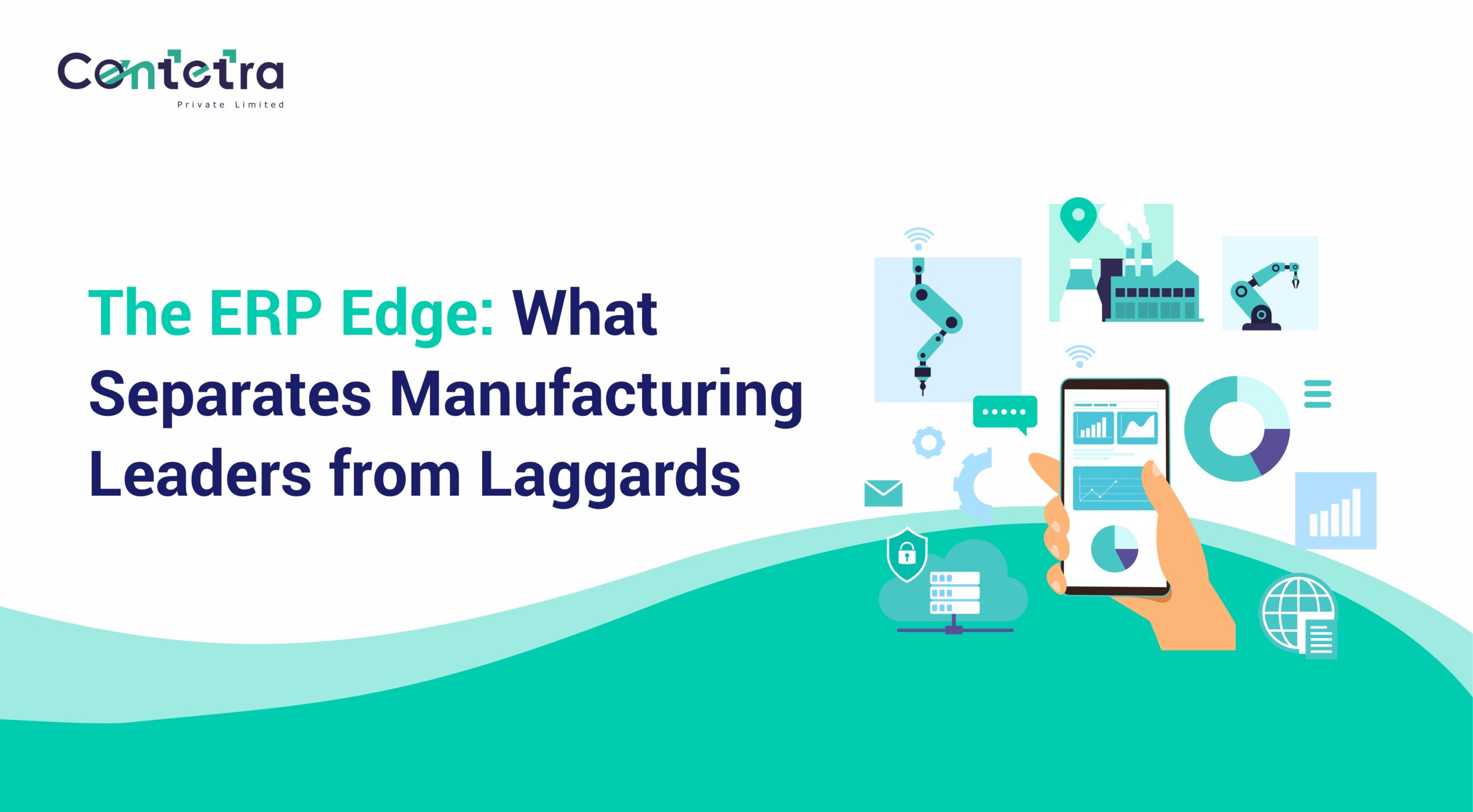
In today’s unforgiving market, manufacturers don’t compete on production capacity; they compete on clarity, agility, and control. The ERP systems that once served as cost centers have become strategic platforms but only for those who use the right modules the right way. Often, it takes the perspective of an erp functional consultant to ensure ERP moves beyond being legacy overhead into a true strategic backbone.
This isn’t about dashboards or flashy features. It’s about modules that translate operational complexity into competitive advantage. If your ERP still feels like legacy overhead rather than strategic backbone, you’re accidentally giving your competitors the edge.
Let’s explore the seven manufacturing ERP modules that make the difference between leaders and laggards.
1. Production Planning & Shop Floor Control The Heartbeat of Agility
Real-world manufacturing doesn’t run on assumptions. It runs on dynamic demands, supply interruptions, and real-time machine uptime. Manufacturing leaders embed their ERP with modules that:
- Dynamically schedule production based on machine availability, raw material constraints, and customer priority.
- Integrate with IoT, feeding live data from the shop floor to flag deviations, downtime, or alignment issues.
- Empower real-time dashboards for supervisors, letting them reallocate work on the fly no weeks of backlog.
If you’re still fighting production bottlenecks on email or Excel, you’re not agile you’re reactive.
2. Advanced Inventory & Warehouse Management Working Capital on the Rack
Most manufacturers carry excess inventory or endure stockouts not because of poor forecasting, but because the ERP can’t demand-limit stock or optimize placement intelligently.
Effective warehouse modules offer:
- Bin-level tracking using barcodes or RFID for hyper-accurate stock control.
- ABC classification logic that dynamically prioritizes reordering.
- Cycle counting workflows for audit readiness and shrinkage mitigation.
You don’t just save inventory costs you unlock working capital embedded in every aisle.
3. Quality Management Because One Defect Can Destroy Trust
When regulators, customers, and auditors are all watching, you need quality embedded in every flow not retrofitted.
High-performing ERPs give you:
- In-line quality triggers tied to batches, suppliers, or equipment.
- NCR (Non-Conformance Reporting) linked to corrective/preventive actions and vendor scoring.
- Audit-ready CAPA logs, with timestamps and approval trails for compliance and continuous improvement.
This isn’t overhead it’s trust insurance and often guided by an erp functional consultant to ensure compliance meets strategy.
4. Bill of Materials & Product Lifecycle Management Engineering Control, Not Chaos
If your BOMs are scattered across spreadsheets and email chains, you’re not agile you’re fragile.
Strategic ERPs bring:
- Multi-level, costed BOMs with substitution rules and version control.
- Engineering Change Notices (ECNs) visible across inventory, production, and finance.
- Cross-functional collaboration from R&D to procurement and production.
This support for complexity is non-negotiable for scalable manufacturing and where ERP consulting solutions deliver lasting value.
5. Vendor & Procurement Management Your Supply Chain's Guardian Network
A supply chain is only as strong as its weakest link unless your ERP helps manage the ecosystem intelligently.
Best-in-class modules include:
- RFQ automation with built-in cost comparisons and approval workflows.
- Sourcing contracts tracked over time with live performance dashboards.
- Vendor scoring systems based on delivery, quality, cost, and responsiveness.
This turns procurement from reactive cost-cutting into proactive margin management.
6. Financial and Cost Integration The Numbers That Finally Align
Production, inventory, finance if they’re still separate silos, you’re losing time and clarity.
A mature ERP ensures:
- Standard vs actual cost tracking at SKU, batch, and department levels.
- Real-time margin analysis by product, region, and channel.
- Live P&L visibility that drives decision-making, not just reports it.
This alignment gives CFOs insight, not just spreadsheets unlocking the value of ERP consulting solutions.
7. Compliance & Traceability Safeguard Your Legacy (and Your License to Operate)
In regulated industries, traceability isn’t nice-to-have it’s critical.
Powerful modules include:
- Batch traceability from raw ingredient to finished product.
- Digital approvals with timestamps, user IDs, and audit readiness.
- Configurable alerts for deviations or non-compliance across wells.
ERP is no longer invisible it’s your digital guardian.
Why Leaders Implement These Modules (Even When Others Don’t)
- Clarity Drives Confidence
CFOs tell us: once they implemented these modules, audit timelines shrank, investor confidence rose, and negotiations with banks became strategic not defensive. - Speed Outplays Size
Market entry, customer response, yield optimization lean, visible operations let you crosscost competitors more than scale variants. - Control Enables Innovation
When you’re not managing chaos, you can test new markets, personalized production, or digital transformations. ERP becomes the enabler not the anchor.
What It Costs to Ignore Them
- Operational Drag: Full transparency still means manual reconciliations.
- Margin Leakages: Without integrated cost insight, you fund inefficiency unknowingly.
- Board Scrutiny: As investors demand visibility, no module means no trust.
- Missed Growth: Without intelligent ERP, scaling becomes expensive and risky.
Executive Checklist: Architect Your ERP for Advantage
Ask Yourself | Why It Matters |
Are we still relying on Excel or emails for shop floor control? | That’s speed decay. |
Is our inventory optimized per shelf or SKU turnover? | That’s locked cash. |
Can we trace a recall batch in seconds? | Or will it take hours or days? |
Are we capturing supplier performance in cost models? | Your margins might be hiding leaks. |
Does finance see production in real time? | Disconnected ops, disconnected numbers. |
If you answered No to any and you’re growing you’re implementing, but you’re not strategizing.
Final Word: ERP Is Not Infrastructure It’s Strategy
Manufacturing leaders don’t just “run ERP.” They embed it.
Every boardroom, bank call, and strategic decision should start with data surfaced and structured through the right ERP modules.
Because numbers don’t just inform they empower.
Let your ERP not just record your history but propel your future with the right ERP consulting solutions at the core.