




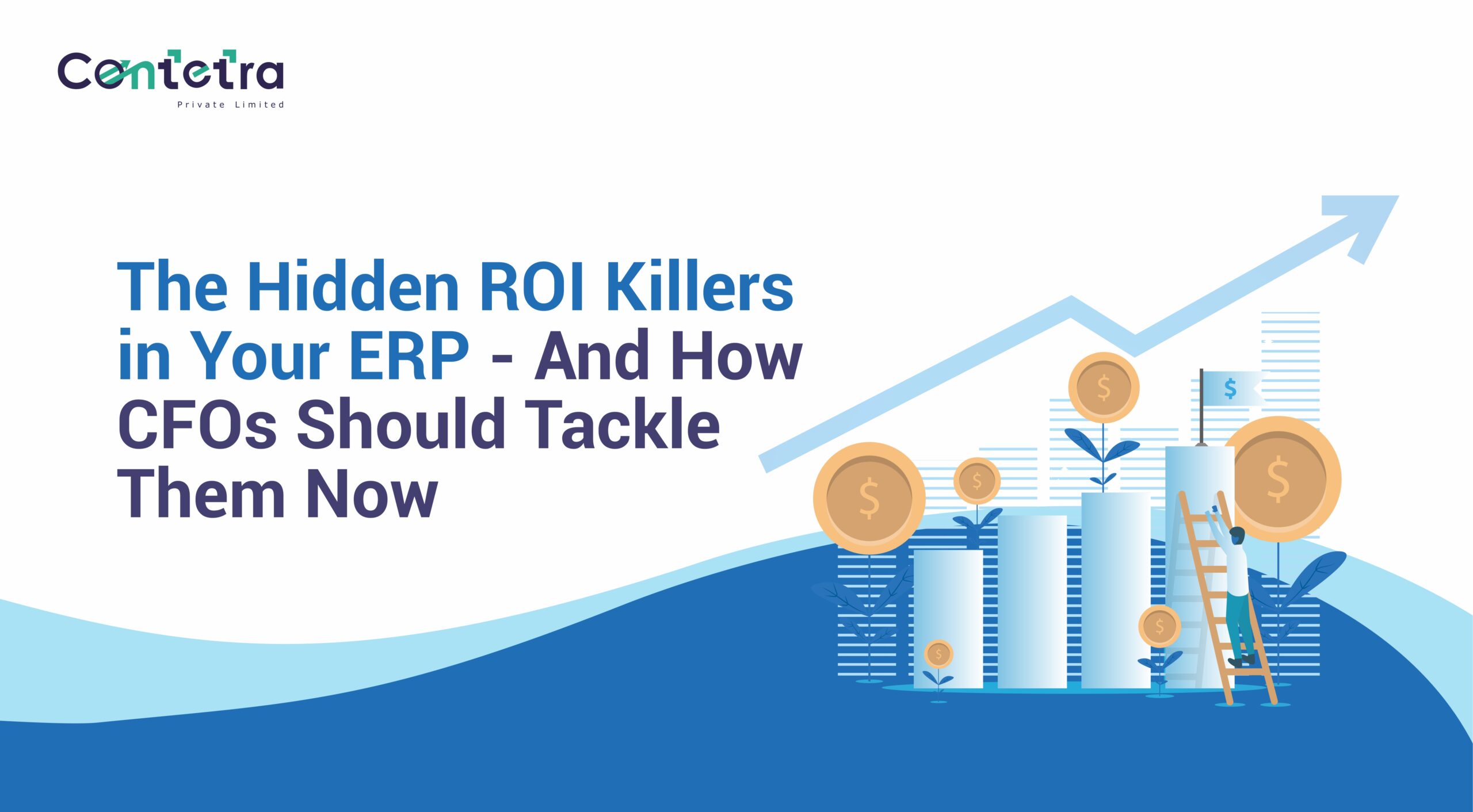
Enterprise Resource Planning (ERP) systems are the backbone of many modern organizations. They promise streamlined operations, integrated data, and faster, more informed decision-making. Yet, despite heavy investments in software, implementation, and training, many companies struggle to achieve the returns they anticipated. The reason isn’t always obvious it’s often hidden in the day-to-day workings of the system. With the right ERP consulting solutions, CFOs can uncover these hidden risks and turn ERP investments into real financial advantage.
For CFOs, these “hidden ROI killers” are not just technical annoyances they are strategic risks. Every inefficiency, underutilized module, or misaligned process silently chips away at profitability. The good news? CFOs can identify and tackle these issues to transform ERP from a cost center into a powerful tool for financial strength and operational excellence.
Where ERP ROI Gets Lost
ERP ROI is not simply about software costs or implementation timelines. The most damaging factors are often invisible:
- Underutilized Modules
Companies often purchase ERP suites with multiple modules but fail to leverage them fully. Finance, procurement, supply chain, and analytics modules might remain unused. This underutilization leaves critical insights untapped and limits the system’s ability to support strategic decision-making. - Data Silos and Inconsistencies
ERPs promise a “single source of truth,” but inconsistent data entry, departmental silos, and missing information undermine this promise. The result is delayed reporting, inaccurate forecasts, and poor decision-making, all of which erode ROI. - Process Misalignment
An ERP enforces workflows but only if those workflows align with how your organization operates. Misaligned processes create redundancy, duplicate approvals, and wasted effort, quietly reducing operational efficiency. - Change Management Gaps
ERP adoption depends on people. Without clear training, communication, and ongoing support, employees may develop workarounds, resist the system, or underuse key features. Adoption issues directly impact the value the ERP delivers. - Neglected Continuous Optimization
Business needs evolve, and ERP systems evolve too. Companies that treat ERP as “set-and-forget” fail to implement updates, leverage new features, or optimize processes. This stagnation reduces ROI and leaves value on the table.
Why CFOs Must Lead the Charge
CFOs are uniquely positioned to tackle these ROI killers. They have a comprehensive view of finances and operations and can connect ERP usage to measurable business outcomes. By taking ownership of ERP optimization, CFOs can:
- Identify where value is leaking.
- Align ERP functionality with business strategy.
- Ensure data is accurate, timely, and actionable.
- Improve decision-making across departments.
With expert support from ERP functional consulting services, CFOs can bridge the gap between technology and business outcomes, ensuring ERP delivers measurable results.
Actionable Steps to Tackle ERP ROI Killers
High-performing CFOs follow a structured approach:
- Conduct an ERP Value Audit
Evaluate each module, feature, and report. Are they being used? Are they delivering insights that inform business decisions? Identify gaps and opportunities.
- Standardize Data and Processes
Accuracy is key. Establish consistent data entry standards, automated validations, and workflow guidelines to reduce errors and improve reliability.
- Invest in Change Management
ERP success is driven by people. Offer targeted training, communicate benefits, and provide ongoing support. Strong adoption improves data quality and ensures processes are followed consistently.
- Optimize Continuously
ERP optimization is ongoing. Regularly review processes, implement software updates, and incorporate new features. Continuous optimization ensures the system evolves with your business, unlocking additional ROI.
- Leverage Analytics Strategically
ERP systems generate massive amounts of data. CFOs can use this to forecast cash flows, analyze margins, evaluate performance, and plan strategic investments. Analytics transforms raw ERP data into actionable business intelligence.
Here, the right ERP consulting solutions can help organizations continuously refine usage, optimize modules, and align ERP functionality with evolving business needs.
Real-World Impact
High-performing CFOs know ERP ROI isn’t only about efficiency it’s about strategic advantage. When ERP is optimized:
- Boards and investors gain confidence in financial reporting.
- Departments can make faster, more informed decisions.
- Leaders can identify growth opportunities and mitigate risks proactively.
ERP becomes a tool that links operational efficiency to profitability, aligning every function with strategic goals.
Contetra’s Approach
At Contetra, we help CFOs maximize ERP ROI by:
- Ensuring modules and workflows are fully aligned with business objectives.
- Using ERP data to provide predictive insights and scenario planning.
- Streamlining processes to remove redundancies and improve efficiency.
- Strengthening trust with stakeholders through transparent, accurate reporting.
By combining technical ERP knowledge with strategic FP&A insights, we help organizations turn ERP investments into measurable value.
Conclusion
ERP systems have immense potential, but hidden ROI killers underutilized modules, inconsistent data, misaligned processes, poor adoption, and stagnant optimization can quietly erode value.
High-performing CFOs tackle these issues head-on. By auditing usage, standardizing processes, driving adoption, continuously optimizing, and leveraging analytics strategically, they transform ERP from a cost center into a strategic engine that drives growth, efficiency, and stakeholder trust.
At Contetra, we work with CFOs to uncover hidden ERP value, convert insights into action, and ensure that every ERP investment delivers tangible financial results. Through our ERP functional consulting services, we help organizations align ERP systems with strategy and unlock true ROI. Because in today’s fast-paced business world, ERP is not just software it’s a strategic lever for growth and profitability.