




In boardrooms everywhere, a quiet tension is unfolding.
The CEO pushes for faster product launches, new markets, and bold bets. The COO wants operational agility supply chains that can flex overnight. Investors demand growth without excuses. And in the middle sits the CFO, balancing ambition against discipline.
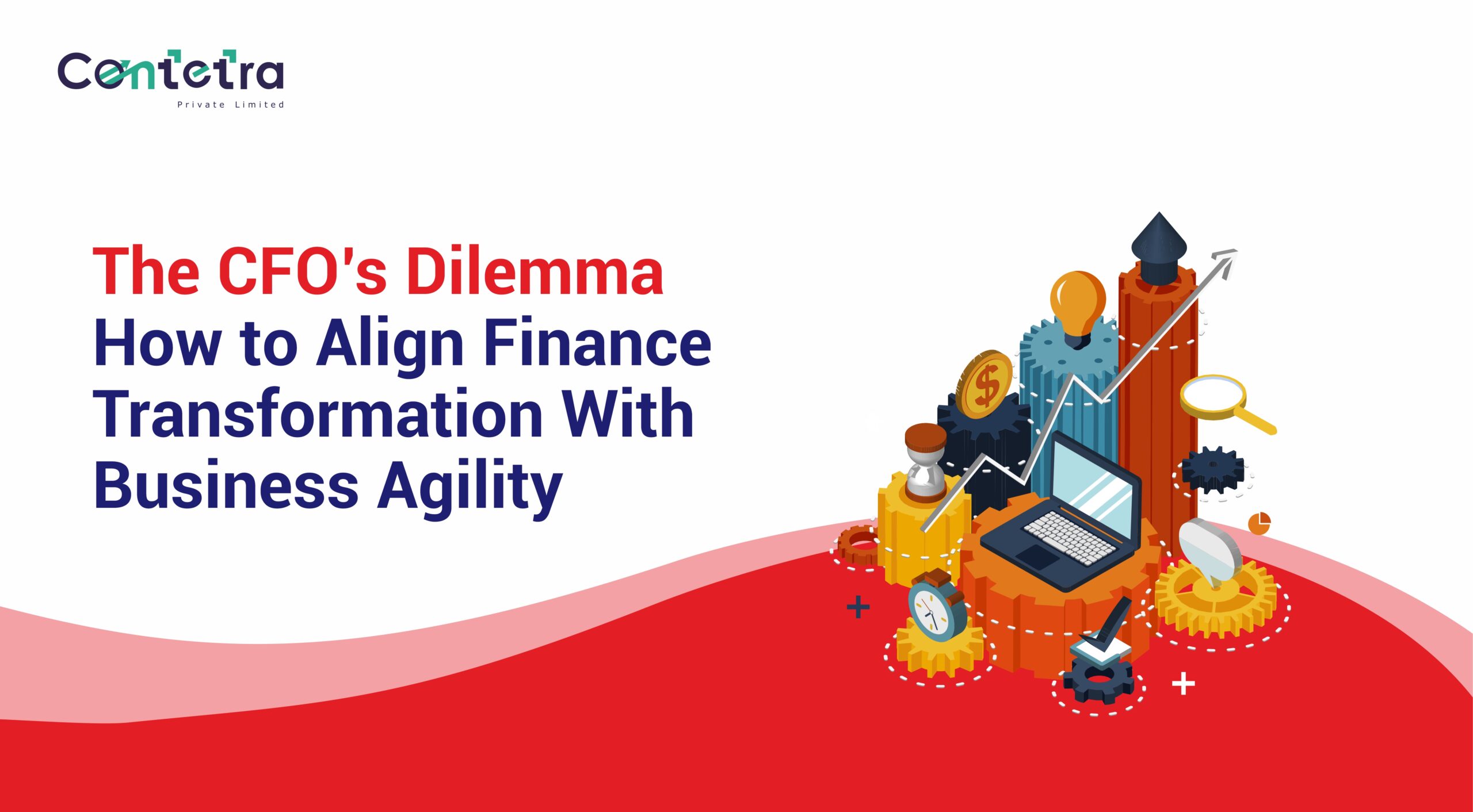
This is the CFO’s dilemma: how to transform finance into a function that supports agility without sacrificing control. Many companies now rely on fractional CFO services in Mumbai to strike this balance effectively.
Why This Dilemma Exists
The DNA of finance was built on precision, not speed. Finance functions are designed to safeguard accuracy, compliance, and governance. Every decimal point matters, every ledger must tie out.
But business today runs on an entirely different rhythm. Markets turn in weeks, not quarters. Customer preferences shift daily. Competitors appear out of nowhere.
So when finance insists on month-end closings before decisions can be made, or when new initiatives stall waiting for budgets to be reforecasted, the organization feels the drag.
- Too much rigidity → finance becomes a bottleneck, slowing agility.
- Too much flexibility → finance loses credibility, opening the door to risk.
Neither extreme works. And yet, too many CFOs are forced into one or the other.
The Evolving Role of the CFO
Yesterday’s CFO was a custodian of numbers. Today’s CFO is expected to be a strategic architect a leader who can steer profitability, drive efficiency, and enable agility all at once.
The best CFOs don’t ask: “How do we keep up?”
They ask: “How do we help the business move faster with confidence?”
That means:
- Partnering with the business on strategy, not just signing off on spend.
- Anticipating risks before they appear on the P&L.
- Building systems that flex with growth rather than break under pressure. Forward-looking companies increasingly leverage fractional CFO services in Mumbai as a way to modernize this role.
Finance can’t just be the mirror reflecting yesterday’s results. It must be the compass pointing to tomorrow’s opportunities.
Five Building Blocks of Finance-Aligned Agility
Transforming finance while maintaining control is no small task. But certain levers consistently set apart CFOs who get it right:
- Real-Time Decision Intelligence
Waiting for month-end closes in today’s world is like navigating with last year’s map. CFOs need real-time dashboards, rolling forecasts, and scenario planning that turn raw data into actionable intelligence.
Agility doesn’t mean rushing decisions it means making them faster, with better information.
- Flexible, Modular Systems
Legacy ERP systems are notorious for being slow to adapt. A single product line change or global expansion can take months to configure. Modern CFOs are turning to modular, cloud-based ERPs and FP&A tools that can scale without a complete overhaul.
Your systems should bend without breaking stable enough for control, adaptable enough for speed.
- Automation With Guardrails
Reconciliations, AP/AR cycles, compliance reports these are critical, but they don’t create competitive advantage. By automating these areas with strong controls, CFOs can free their teams to focus on higher-value work like pricing models, growth scenarios, and profitability analysis.
The rule is simple: automate the routine, elevate the strategic.
- Governance That Enables, Not Restricts
Finance has to say “no” sometimes. But governance frameworks should enable agility, not strangle it. Tiered approval structures, risk-based thresholds, and embedded metrics allow businesses to move quickly while staying within defined guardrails.
Think of governance like setting lanes on a highway: you keep order, but you don’t stop the flow.
- Talent With Dual Lenses
The finance team of the future won’t just be accountants. They’ll be analysts, technologists, and storytellers. They’ll know how to translate numbers into strategy, and strategy back into numbers.
That requires a dual DNA: financial rigor and business agility. CFOs who invest in upskilling, cross-training, and talent transformation will have teams capable of driving not just monitoring change.
By adopting these, CFOs don’t just react, they lead. Many organizations now combine such practices with virtual CFO services in India, ensuring finance supports agility at scale while protecting governance.
What Alignment Looks Like in Practice
When finance transformation aligns with agility, the benefits are immediate and profound:
- Decisions happen faster. Leadership doesn’t wait three weeks for reports they act on live dashboards and rolling forecasts.
- Investors gain confidence. Accurate MIS paired with strong CFO/CEO commentary builds trust and credibility.
- Cash flow strengthens. Runway analyses and scenario planning prevent liquidity shocks.
- Teams are empowered. Automation reduces grunt work, freeing people to deliver insights that shape growth.
Finance stops being a back-office function and becomes a strategic enabler.
The Cost of Misalignment
On the other hand, when finance and agility are out of sync, the risks multiply:
- Market opportunities are missed because reporting cycles are too slow.
- ERP systems become anchors, dragging innovation down.
- CFOs lose credibility, and business leaders bypass finance altogether.
The cost isn’t just inefficiency. It’s relevance.
A Roadmap for CFOs
So how do CFOs resolve this dilemma? Here’s a pragmatic path:
- Run a diagnostic. Where is finance slowing the business? Where is it disconnected from strategy?
- Define agility expectations. Sit with business leaders to understand the pace they need.
- Prioritize enabling tech. Adopt tools that solve today’s pain points but can grow tomorrow.
- Embed finance into conversations. Don’t just approve budgets help shape where capital is allocated.
- Reshape talent. Build a team that thrives at the intersection of precision and agility.
Transformation isn’t a one-off project. It’s a culture shift. Here, fractional CFO services in Mumbai play a vital role, helping businesses align strategy with execution while ensuring transparency and discipline.
From Dilemma to Advantage
The CFO’s dilemma isn’t really about choosing between transformation and agility. It’s about proving that finance can deliver both.
The CFOs who succeed won’t be the ones guarding the past. They’ll be the ones designing the future where finance is not a brake, but an accelerator.
Because in today’s economy, businesses don’t just need finance to keep the score. They need finance to call the play. And with the right partners, such as through virtual CFO services in India or virtual support models, organizations can transform this dilemma into a competitive advantage.